Key Components when Creating an High-Performance Commercial Audio Management Network
Wiki Article
Developing an effective commercial audio delivery system is crucial for any organization that leans on sound to elevate the consumer experience. This system empowers organizations to provide music, announcements, and other audio content to different areas within a premises. Core elements in creating a successful audio distribution system include an awareness of sound quality, appropriate equipment selection, strategic layout planning, and consistent maintenance practices. These elements work together to maintain that the audio system meets the distinct needs of the space and the audience.
Sound quality is one of the most essential components of an audio transmission system. High-quality sound elevates the listening experience for visitors and can foster a pleasant atmosphere. Factors such as sound units, power amplifiers, and acoustics all contribute in attaining clear and even sound. Companies should focus on installing industry-standard speakers that are optimized for their location. For example, outdoor spaces might require weather-resistant speakers, while interior spaces may take advantage of distributed audio systems. Guaranteeing that all parts are well-matched and efficiently configured is necessary for peak performance.
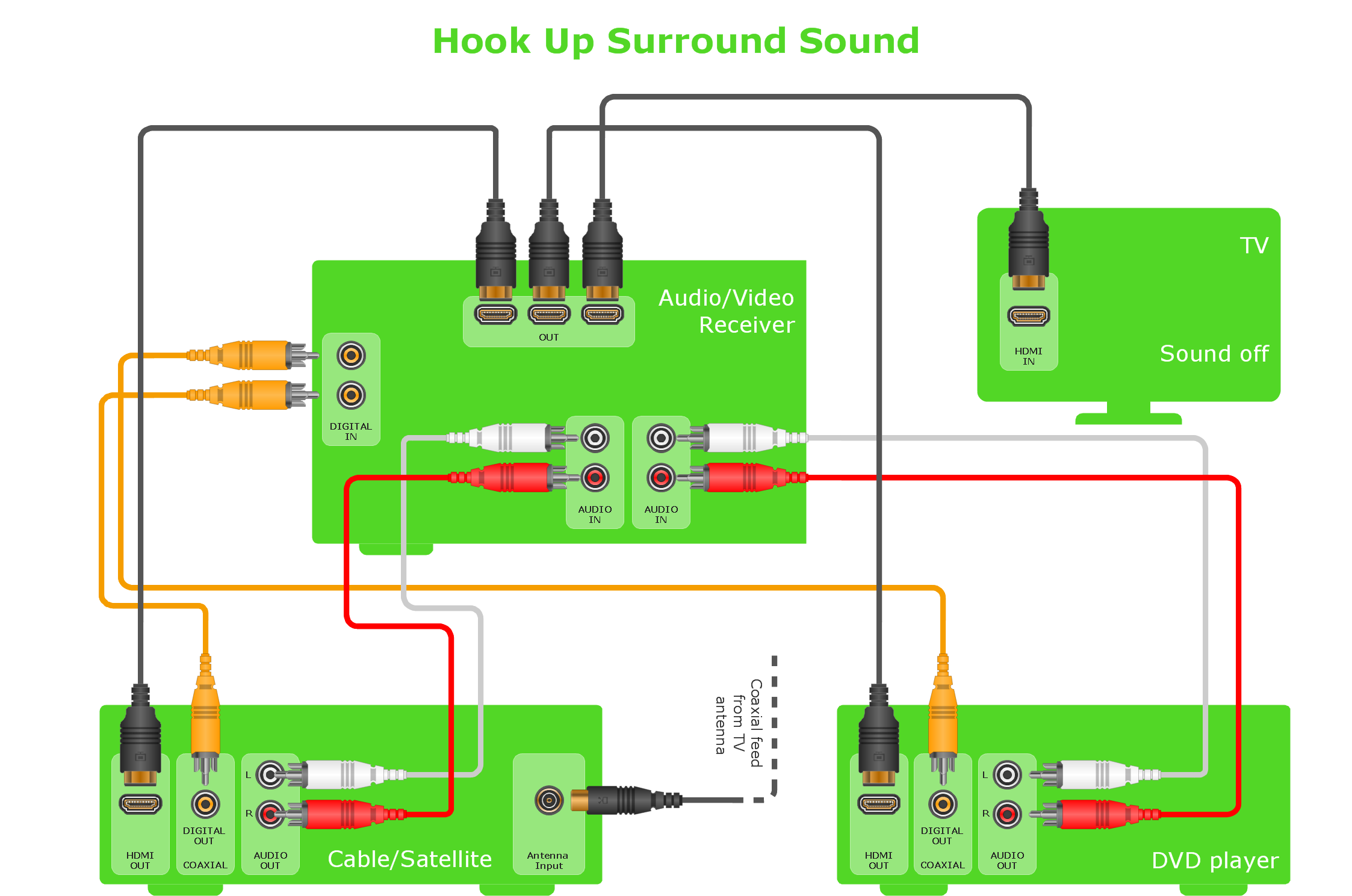
The determination of audio equipment plays a crucial part in the effectiveness of the audio network. This involves deciding on the right control panels, amplifiers, and media players. Facilities should analyze their specific audio objectives before finalizing procurements. For instance, a boutique might benefit from different equipment than a food establishment or event hall. Additionally, implementing modern solutions can expand capabilities. Sound networks that support remote control or compatibility with tablets can allow adaptability in adjusting audio media and listening zones throughout various zones.
Planning the arrangement of the audio sound Look At This system is another critical aspect. A carefully designed plan ensures that sound is smoothly projected across all areas without any drop-offs or sound imbalance in certain sections. This includes strategic alignment of speakers and assessment of how sound moves in each location. Elements such as area, geometry, and interior design can impact sound behavior. Performing an acoustic study can guide find the best placements for speakers to achieve clear sound reach throughout the facility.
Finally, consistent maintenance is essential to sustain an audio communication system running efficiently. Equipment maintenance requires regular inspections on systems performance, correcting any concerns promptly, and updating firmware when needed. Guiding staff on how to control the system correctly can also avoid system failures and maximize the operational life of the technology. By prioritizing maintenance, businesses can ensure high-quality audio clarity and minimize service gaps that could diminish the client perception.
Overall, designing an high-quality commercial audio distribution system involves careful consideration of sound quality, equipment selection, design organization, and preventive care. When click this link here now these areas are addressed thoughtfully, facilities can transform their premises with professional-grade audio solutions for their audience. Implementing a efficiently structured audio system not only enhances communication but also contributes to a positive ambiance that can improve patron experience.